Station 1 of 18 · Philadelphia
Protect Your Freedom and Future After an Arrest in Overbrook, Pennsylvania
Facing criminal charges in Pennsylvania can instantly disrupt your life, your employment, and your peace of mind. If you or a loved one was recently taken into custody in Overbrook, understanding what to expect when arrested in Overbrook Pennsylvania is crucial to safeguarding your constitutional rights and avoiding costly missteps. As an experienced Main Line criminal defense lawyer, I represent individuals through every stage of the justice system to protect their freedom and reputations.
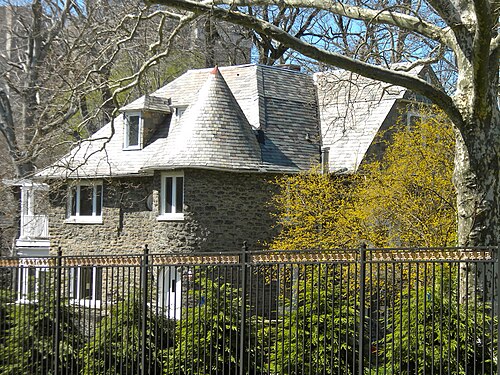
The Paoli/Thorndale line, Overbrook to Malvern
Also serving Bala Cynwyd · Gladwyne · Penn Valley · Chesterbrook
Overbrook at a glance
Overbrook is a neighborhood in West Philadelphia. Confirm your jurisdiction from the address on your citation, or call us.
If arrested in Overbrook
| County | Philadelphia |
| Police | Philadelphia Police Department |
| District court | Philadelphia Municipal Court |
| Trial court | Philadelphia Court of Common Pleas |
Navigating the Overbrook Border: Main Line and Philadelphia Court Dynamics
Overbrook occupies a unique geographic position directly along the boundary separating West Philadelphia from Lower Merion Township and the Pennsylvania Main Line communities of Montgomery County. Because major thoroughfares such as City Avenue (Route 1), Lancaster Avenue, and 63rd Street cut directly through this corridor, law enforcement presence is concentrated and proactive. Motorists and pedestrians regularly transition across municipal borders without realizing that crossing City Avenue places them under the distinct enforcement priorities of the Philadelphia Police Department.
When an arrest occurs on the Philadelphia side of Overbrook, your case is prosecuted in Philadelphia County rather than suburban Montgomery County. This geographic reality dictates which police precinct processes your arrest, which prosecutors review the allegations, and which court rules govern your pre-trial release. Understanding this local distinction ensures that your defense strategy reflects the specific procedural expectations of the Philadelphia court system from day one.
Common Criminal Charges Along the City Avenue and 63rd Street Corridors.
Due to heavy traffic flow and bustling commercial centers, arrests in Overbrook frequently involve specific criminal offenses:
- DUI · Vehicle stops along City Avenue and Lancaster Avenue regularly lead to arrests for Driving Under the Influence of alcohol or controlled substances.
- Firearm · Individuals legally licensed in other Pennsylvania counties or states often face felony charges under Sections 6106 and 6108 when transporting firearms across Philadelphia borders without a city-compliant license.
- Retail theft and Drug Charges· Commercial plazas along City Avenue see frequent shoplifting arrests, while traffic stops and neighborhood patrols yield allegations of narcotics possession and possession with intent to deliver (PWID).
Booking and Processing at the 19th Police District
Following an arrest in Overbrook, individuals are typically transported to the Philadelphia Police Department’s 19th Police District, headquartered at 61st and Thompson Streets, or directly to the central Police Detention Unit (PDU). During booking, officers record biographical details, capture electronic fingerprints, take mugshots, and conduct an inventory search of personal belongings. Background checks are run through state and federal databases to verify identity and check for active warrants.
Under Pennsylvania Rule of Criminal Procedure 540, police officers must bring an arrested individual before a judicial officer for preliminary arraignment without unnecessary delay typically within 12 to 24 hours. Remaining calm and avoiding statements about the incident during this holding period is essential to preventing self-incrimination.
Bail and Preliminary Arraignment in Philadelphia County
Your preliminary arraignment is conducted 24 hours a day via video conference before an Arraignment Court Magistrate (ACM). The magistrate formally presents the criminal complaint and establishes bail conditions. Philadelphia utilizes release options ranging from Release on Recognizance (ROR) and non-monetary supervision to percentage cash bail requiring a 10% deposit. Having private defense counsel advocate on your behalf at arraignment significantly improves the likelihood of prompt release.
Never attempt to explain your version of events to the police. Police interrogations are designed to elicit statements that assist the prosecution. Politely invoke your Fifth Amendment right to remain silent and request an attorney immediately.
Overbrook questions
Q: What happens during the booking process after arrest in Pennsylvania?
A: During booking in Pennsylvania, police document your personal details, take digital photographs, scan fingerprints through state databases, and catalog your personal property. Officers also review your criminal record for active warrants or detainers. You will remain in a holding cell while prosecutors draft formal charging documents. Because any statements made during administrative intake can be scrutinized by the Commonwealth, you should provide only basic biographical information and decline to answer questions about the incident until I arrive to counsel you and protect your interests.
Q: How does bail work in Philadelphia County Pennsylvania after an arrest?
A: Bail in Philadelphia County is set during your preliminary arraignment before an Arraignment Court Magistrate via closed-circuit video link. The magistrate reviews your community ties, employment history, prior criminal record, and the severity of the charges to establish pre-trial release conditions. Options range from Release on Recognizance (ROR) and non-monetary supervision to percentage cash bail requiring a deposit. When I advocate on your behalf at arraignment, I present compelling mitigating factors to secure affordable bail or release without cash collateral, preventing unnecessary pre-trial detention.
Q: Why you should never talk to police without a lawyer present in Pennsylvania?
A: You should never speak with investigating officers without legal counsel because police interrogations are specifically structured to build a prosecution case against you. Even well-intentioned explanations, minor inconsistencies, or casual comments can be interpreted as consciousness of guilt or used to contradict your defense at trial. Police officers are legally permitted to use deceptive tactics during questioning. When I represent clients from the start, asserting your constitutional right to remain silent halts interrogation immediately and prevents law enforcement from twisting your words.
Q: What is the difference between a misdemeanor and felony charge in Pennsylvania?
A: Pennsylvania law classifies crimes into summary offenses, misdemeanors, and felonies based on severity and statutory penalties. Misdemeanors carry potential statutory jail sentences ranging from up to one year for a third-degree misdemeanor to five years for a first-degree misdemeanor. Felonies represent far more serious crimes, carrying penalties from up to seven years for a third-degree felony to twenty years or life for first-degree offenses. Felonies also impose severe collateral consequences, including the permanent loss of firearm rights. My objective is always to challenge evidence to downgrade or dismiss felony charges.
Q: How long can police hold you without charging you in Pennsylvania?
A: Under Pennsylvania court rules, police officers must present an arrested individual before a judicial magistrate for preliminary arraignment without unnecessary delay. In practice, this procedural rule requires that formal charges be filed and an arraignment scheduled within 12 to 24 hours of custody. If law enforcement detains an individual beyond this reasonable timeframe without filing a criminal complaint, I intervene immediately to file legal petitions demanding a prompt judicial appearance or release, ensuring the government does not violate your constitutional due process rights.
Q: What actually happens at a preliminary hearing in Pennsylvania criminal court?
A: The preliminary hearing is the initial evidentiary proceeding in Pennsylvania criminal court, held before a judge to determine whether the Commonwealth has sufficient evidence to proceed to trial. The prosecution must establish a prima facie case, showing that a crime occurred and that you likely committed it. At this hearing, I aggressively cross-examine prosecution witnesses, challenge physical evidence, expose evidentiary gaps, and petition the court to dismiss unsupported charges before the case reaches the Court of Common Pleas for formal trial proceedings.
Speak with Timothy McCartney
Confidential, same day, evenings included.